Expanding your eCommerce reach in 2025 requires more than just maintaining a single sales channel. If you’re running a BigCommerce store and looking to tap into Etsy’s massive marketplace of over 96 million active buyers, integrating these two platforms can transform your business trajectory. The BigCommerce Etsy integration process connects your professional eCommerce store with one of the world’s most popular marketplaces for handmade, vintage, and unique products.
This comprehensive guide walks you through everything you need to know about connecting BigCommerce and Etsy, from choosing the proper integration app to managing inventory across both platforms. Whether you’re a seasoned seller or just starting your multichannel journey, you’ll discover how this integration can streamline operations, expand your customer base, and drive sustainable growth.
Summary
- Quick Setup Process: Connect BigCommerce with Etsy in minutes using integration apps like CedCommerce or LitCommerce
- Automated Inventory Management: Real-time synchronization prevents overselling and maintains accurate stock levels across both platforms
- Streamlined Order Processing: Centralize order management in your BigCommerce dashboard while selling on Etsy’s marketplace
- Expanded Market Reach: Access Etsy’s 96+ million buyers while maintaining your professional BigCommerce storefront
- Cost-Effective Growth: Integration apps start from $19.99/month, with free trials available for testing
- Multi-Location Support: Manage products across multiple warehouses and sales channels from a single dashboard
Understanding BigCommerce Etsy Integration
The BigCommerce Etsy process involves connecting your BigCommerce store with the Etsy marketplace using specialized integration software. Unlike manual cross-listing, which requires duplicating work across platforms, integration apps create a seamless bridge that automatically syncs products, inventory, orders, and pricing between your BigCommerce store and Etsy shop.
This connection transforms how you manage multichannel selling. Instead of maintaining separate inventories and manually updating stock levels, the integration handles these tasks automatically. When someone purchases a product on Etsy, your BigCommerce inventory updates instantly, and the order flows directly into your centralized fulfillment system.
The CedCommerce Etsy integration solution, along with alternatives like LitCommerce and SellerPortal, provides the technical infrastructure for this connection. These apps act as intermediaries, translating data between BigCommerce’s platform and Etsy’s marketplace requirements while ensuring compliance with both platforms’ specifications.
Why BigCommerce Sellers Should Integrate with Etsy
Integrating your BigCommerce store with Etsy opens doors to opportunities that single-channel selling simply cannot match. Etsy’s marketplace attracts buyers specifically looking for unique, handmade, vintage, and craft items—a demographic that values quality and authenticity. By connecting these platforms, you position your products in front of millions of purchase-ready customers without abandoning your established BigCommerce infrastructure.
Whether you’re selling handmade crafts, vintage items, jewelry, home decor, or unique products that align with Etsy’s marketplace aesthetic, this integration provides the technical foundation for efficient operations. The platform’s buyer base actively seeks out one-of-a-kind items and artisan-made goods, creating an ideal environment for sellers who offer distinctive products that stand apart from mass-market alternatives.
Access to a Massive, Engaged Buyer Base
Etsy’s marketplace hosts over 96 million active buyers who visit the platform with purchase intent. These aren’t casual browsers—they’re customers actively searching for products like yours. The platform generated over $13 billion in gross merchandise sales in recent years, demonstrating the substantial purchasing power of its user base.
Unlike generic marketplaces, Etsy’s audience appreciates craftsmanship, originality, and personalization. If your BigCommerce store sells handmade goods, vintage items, craft supplies, or unique products, Etsy’s buyer demographic aligns perfectly with your target market. The BigCommerce Etsy integration lets you tap into this valuable customer segment without building a separate marketing strategy.
Streamlined Multi-Channel Operations
Managing multiple sales channels typically means juggling different admin panels, updating inventory in various locations, and processing orders through separate systems. This fragmented approach leads to errors, inefficiencies, and wasted time. The integration eliminates these pain points by centralizing operations in your BigCommerce dashboard.
With proper BigCommerce integration, you maintain a single source of truth for inventory, pricing, and product information. Updates made in BigCommerce automatically propagate to Etsy, ensuring consistency across channels. Orders from Etsy flow into your BigCommerce system, where you can manage fulfillment using your existing workflows and shipping integrations.
This centralized approach transforms how you operate daily. Instead of logging into multiple platforms throughout the day, you work primarily from your BigCommerce dashboard while the integration handles data synchronization behind the scenes. Real-time inventory synchronization prevents overselling, centralized order management streamlines fulfillment, and automated product updates reduce manual administrative work that would otherwise consume hours each week.
Reduced Risk of Overselling
One of the biggest challenges in multichannel selling is preventing overselling—selling the same item on multiple platforms simultaneously. When inventory isn’t synchronized in real-time, you risk accepting orders for products that are no longer in stock, leading to cancellations, negative reviews, and frustrated customers.
The CedCommerce Etsy integration and similar apps solve this problem through real-time inventory synchronization. When a product sells on either platform, the inventory automatically decreases across both channels. This synchronization typically happens within 2-3 minutes, drastically reducing overselling risk.
Simplified Product Management
Listing products on multiple platforms traditionally requires recreating listings, uploading images, writing descriptions, and setting prices separately for each channel. This duplication wastes time and increases the likelihood of inconsistencies between platforms.
Integration apps enable bulk product uploads from BigCommerce to Etsy. You can select specific products or entire categories to list on Etsy with just a few clicks. The apps automatically map BigCommerce product fields to Etsy’s requirements, though you maintain full control to customize titles, descriptions, tags, and pricing for Etsy’s marketplace.
Choosing the Right Integration App
Several integration apps facilitate the BigCommerce Etsy connection, each offering different features, pricing structures, and levels of support. Selecting the right app depends on your business size, budget, technical expertise, and specific integration requirements.
CedCommerce Etsy Integration
CedCommerce stands as one of the most popular CedCommerce Etsy integration solutions for BigCommerce sellers. The app provides comprehensive features for listing products, managing inventory, and processing orders between platforms.
Key Features:
- Real-time inventory synchronization
- Bulk product upload and editing
- Profile-based category mapping
- Multi-location inventory management
- Template creation for faster listing
- 24/7 dedicated account manager support
CedCommerce offers a free trial period, allowing you to test the integration before committing. Pricing starts at approximately $29.99/month, scaling based on order volume and features required. The app includes onboarding assistance and ongoing support to help navigate Etsy’s marketplace requirements.
LitCommerce
LitCommerce provides a streamlined approach to the BigCommerce Etsy integration process with an intuitive interface designed for sellers managing multiple sales channels.
Key Features:
- 15-minute synchronization intervals
- Support for 20+ sales channels beyond Etsy
- Bulk listing capabilities
- Currency conversion options
- Order import to the BigCommerce dashboard
- Channel-specific pricing rules
LitCommerce offers competitive pricing with plans starting around $19.99/month and often provides promotional discounts for new users. The app works particularly well for sellers already managing or planning to expand to additional marketplaces like Amazon, eBay, or TikTok Shop.
SellerPortal
SellerPortal emerged as a newer but increasingly popular option for BigCommerce sellers looking to integrate with Etsy.
Key Features:
- One-click product sync
- Automated title, description, and image mapping
- Real-time inventory updates
- Centralized order management
- Customizable pricing rules per channel
- Free plan available for testing
SellerPortal’s free plan makes it accessible for smaller sellers or those testing multichannel waters. Paid plans start at $19.99/month, offering expanded features and support as your business grows.
Comparing Integration Apps
When choosing between integration apps, consider these factors:
- Synchronization Speed: How quickly do inventory updates reflect across platforms? Most apps sync within 2-15 minutes.
- Order Volume Capacity: Does the app support your current and projected order volume without throttling or additional fees?
- Multi-Location Support: If you manage inventory across multiple warehouses, ensure the app supports this configuration.
- Customer Support: What level of support does the app provide? Look for apps offering dedicated account managers or 24/7 assistance.
- Additional Channel Support: If you plan to expand beyond Etsy, choosing an app that supports multiple marketplaces provides flexibility.
Step-by-Step BigCommerce Etsy Integration Guide
Now that you understand the benefits and have selected an integration app, let’s walk through the detailed process of connecting BigCommerce with Etsy. This guide uses CedCommerce as the example, but the process remains similar for other integration apps.
Step 1: Prepare Your BigCommerce Store
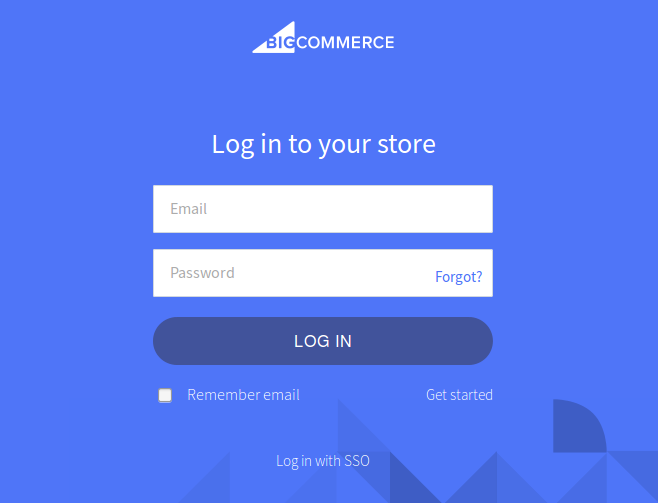
Before installing any integration app, ensure your BigCommerce store is configured correctly with accurate product information, inventory levels, and pricing.
Checklist:
- Verify all product titles, descriptions, and specifications are accurate
- Confirm inventory quantities are up-to-date
- Ensure product images meet Etsy’s requirements (minimum 2000px on the shortest side)
- Review pricing to ensure profitability after Etsy’s fees
- Set up proper product categories and tags
Taking time to organize your BigCommerce store before integration prevents issues during the product upload process and reduces the need for individual listing corrections later.
Step 2: Install the Integration App
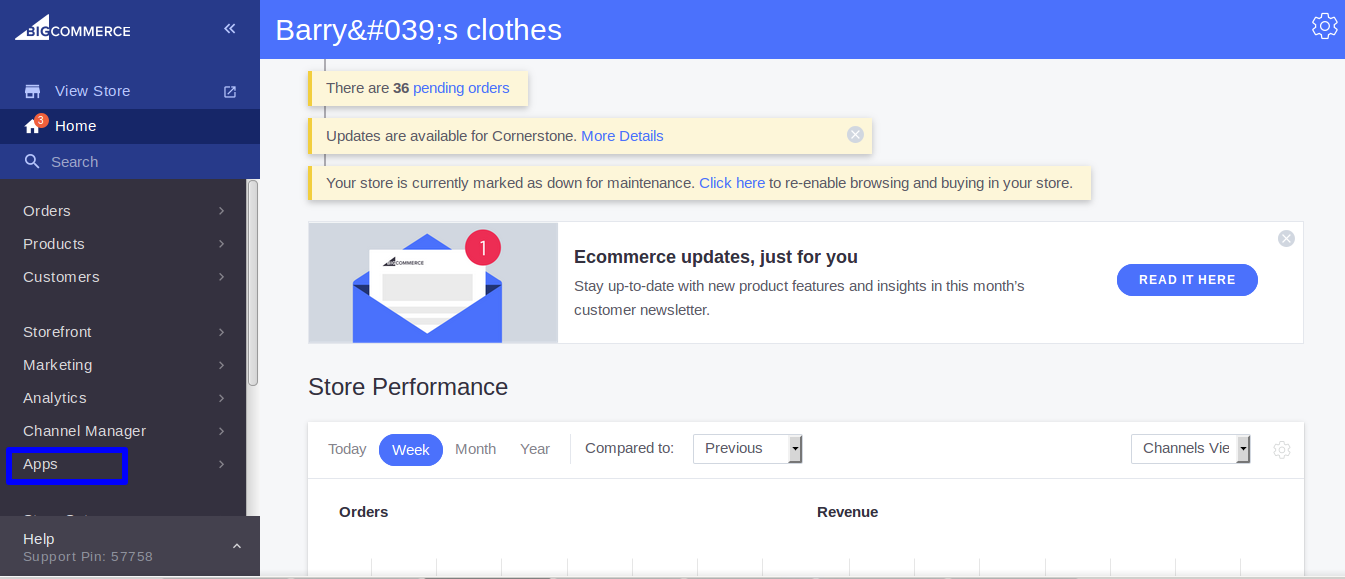
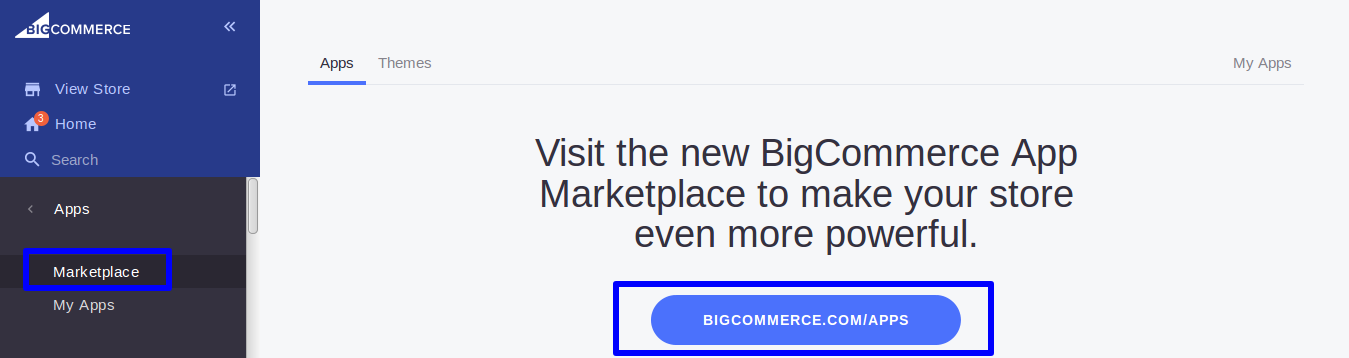
Log in to your BigCommerce admin panel and navigate to the Apps marketplace. Search for your chosen integration app—in this case, “Etsy by CedCommerce” or simply “Etsy Marketplace Integration.”
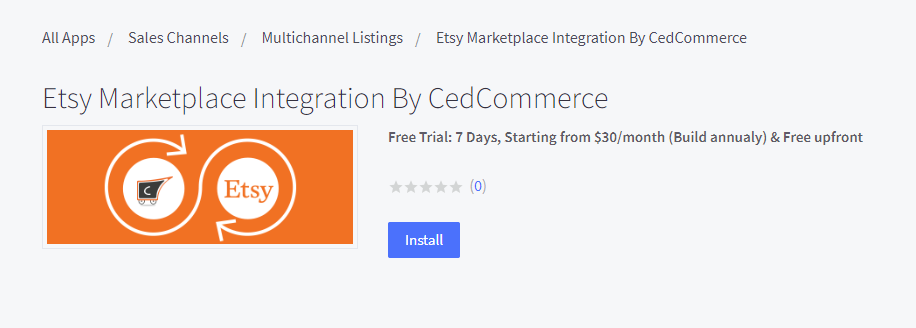
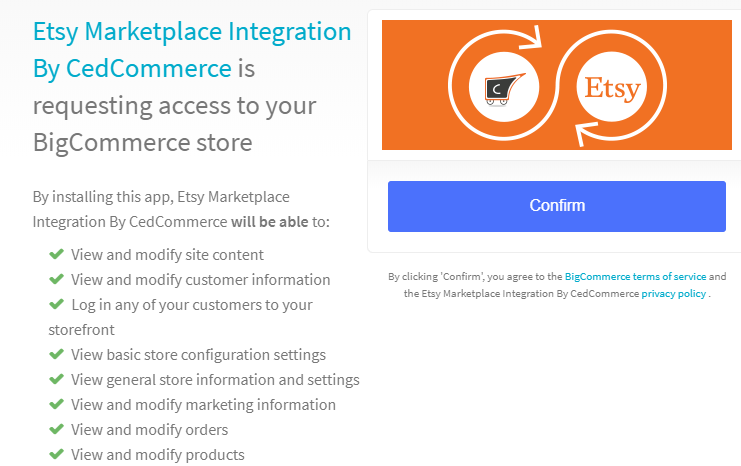
Click “Install” or “Get This App” and follow the prompts to authorize the app’s access to your BigCommerce store. The app will request permissions to read product information, manage inventory, and process orders. These permissions are necessary for the integration to function properly.
After installation, the app appears in your “My Apps” section of the BigCommerce dashboard. Click on the app to launch its interface and begin the configuration process.
Step 3: Connect Your Etsy Account
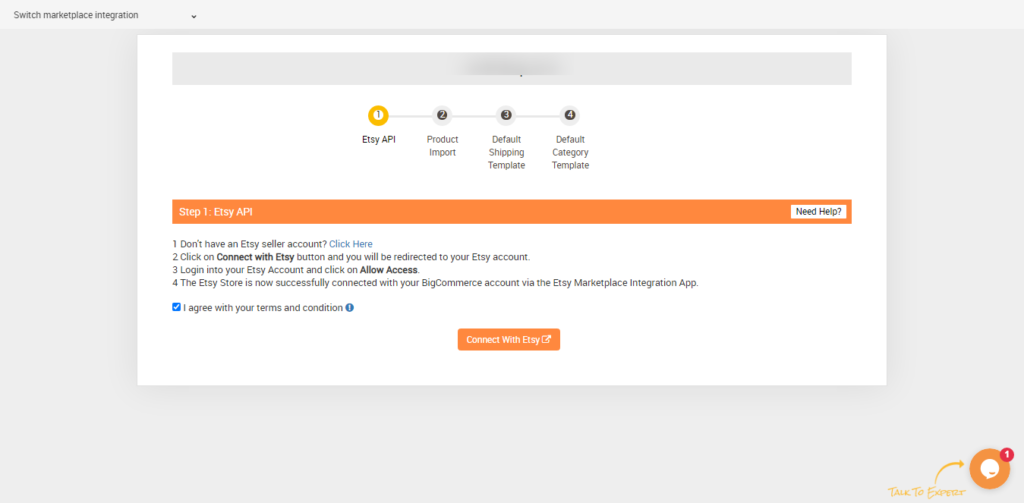
Within the integration app interface, look for the option to connect or authorize your Etsy shop. This typically appears as a button labeled “Connect with Etsy” or “Authorize Etsy Account.”
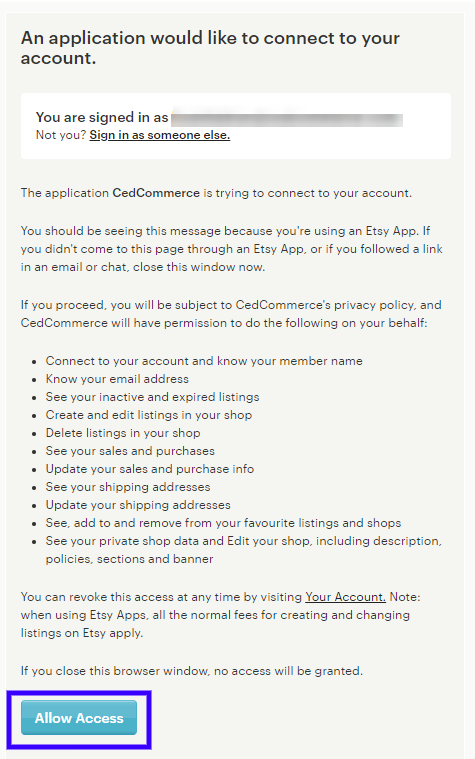
Clicking this button redirects you to Etsy’s authorization page, where you’ll log in to your Etsy seller account if you’re not already logged in. Etsy will display the permissions the integration app requests, which typically include:
- Access to your shop information
- Ability to create and manage listings
- Permission to read orders
- Access to shipping templates
Review these permissions carefully and click “Allow Access” to authorize the connection. You’ll then be redirected back to the integration app, which confirms the successful connection.
If you don’t have an Etsy seller account yet, you’ll need to create one before proceeding. Visit Etsy.com/sell to set up your shop, which involves choosing a shop name, setting up payment methods, and completing basic shop information.
Step 4: Configure Integration Settings
With both platforms connected, configure the integration settings to match your business requirements. This configuration step is crucial for ensuring smooth operations.
- Inventory Synchronization: Enable real-time inventory sync to keep stock levels accurate across both platforms. Most apps offer adjustment options if you want to display different available quantities on Etsy versus BigCommerce.
- Price Settings: Decide whether to use the same pricing on both platforms or apply channel-specific rules. Some sellers adjust Etsy pricing to account for marketplace fees while maintaining competitive rates.
- Order Import Settings: Configure how orders from Etsy flow into your BigCommerce system. Decide which order statuses trigger imports and whether you want automatic or manual order acceptance.
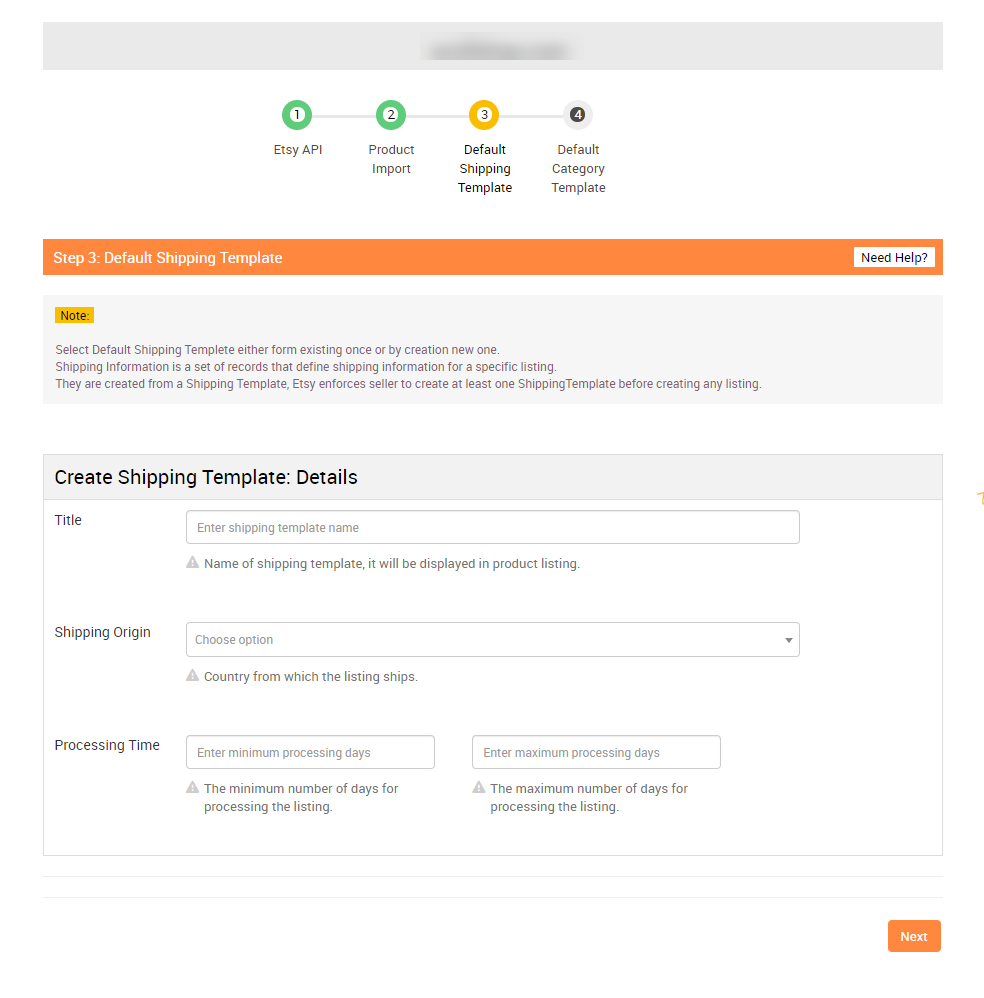
- Shipping Templates: If you’ve created shipping templates in Etsy, map them to your products during this configuration. You can also create new shipping templates directly within some integration apps.
Step 5: Map Categories and Attributes
Etsy requires products to be listed in specific marketplace categories with appropriate attributes. The integration app helps map your BigCommerce categories to Etsy’s category structure.
- Category Mapping: For each BigCommerce category you want to list on Etsy, select the corresponding Etsy category from the dropdown menu. The app remembers these mappings, streamlining future product uploads.
- Attribute Mapping: Etsy uses specific attributes like material, occasion, recipient, and style. Map these attributes to existing fields in your BigCommerce products or manually set them during the listing process.
- Profile Creation: Many apps support creating profiles for groups of similar products. For example, create a “Handmade Jewelry” profile that includes pre-configured category mappings, shipping templates, and attributes for all jewelry products.
Step 6: Select and Upload Products to Etsy
Navigate to the product management section of the integration app, where you’ll see a list of all products from your BigCommerce store.
- Product Selection: Choose which products to list on Etsy. You can select individual products, entire categories, or use filters based on tags, collections, or other criteria. Not all products need to be listed on Etsy—focus on items that align with Etsy’s marketplace and buyer demographics.
- Bulk Actions: If listing multiple products, use bulk action features to apply settings across selected items. This includes assigning profiles, setting shipping templates, and applying pricing rules.
- Preview and Edit: Before publishing, preview how listings will appear on Etsy. Make any necessary adjustments to titles, descriptions, tags, or images to optimize for Etsy’s search algorithm and buyer preferences.
- Publish to Etsy: Once satisfied with the configuration, click the publish or upload button. The integration app processes the listings and publishes them to your Etsy shop. This process may take a few minutes, depending on the number of products.
Step 7: Enable Automatic Synchronization
After the initial product upload, activate automatic synchronization features to keep inventory, pricing, and order data in sync without manual intervention.
- Inventory Sync: Ensure real-time inventory sync is enabled. Test it by making an adjustment in BigCommerce and verifying the change reflects on Etsy within the expected timeframe.
- Price Sync: If using the same pricing across platforms, enable automatic price synchronization. For channel-specific pricing, the integration maintains different prices while syncing only inventory changes.
- Order Sync: Configure automatic order import from Etsy to BigCommerce. When orders are placed on Etsy, they appear in your BigCommerce order management system, where you can process fulfillment using existing workflows.
Step 8: Test the Integration

Before promoting your Etsy shop to customers, thoroughly test the integration to ensure everything functions correctly.
- Create a Test Order: Place a test order on your Etsy shop (you can cancel it afterward) to verify that orders flow properly into BigCommerce.
- Check Inventory Updates: Sell or adjust inventory for a product on one platform and confirm the change syncs to the other platform within the expected timeframe.
- Verify Product Updates: Edit a product description, image, or price in BigCommerce and ensure the update propagates to Etsy correctly.
Address any issues discovered during testing before launching your Etsy shop to the public.
Optimizing Your Listings for Etsy’s Marketplace
Successfully integrating BigCommerce with Etsy is just the beginning. To maximize sales on Etsy’s marketplace, optimize your listings for the platform’s search algorithm and buyer behavior.
Etsy SEO Best Practices
Etsy operates its own search algorithm that determines which products appear when buyers search the marketplace. Understanding and optimizing for this algorithm increases your visibility.
- Keyword Research: Identify keywords buyers use to search for products like yours. Use Etsy’s search bar auto-complete feature to discover popular search terms. Tools like eRank or Marmalead provide data-driven keyword suggestions specific to Etsy.
- Title Optimization: Include primary keywords in your product titles while keeping them natural and readable. Etsy’s algorithm weights title keywords heavily, so front-load the most important terms.
- Tag Utilization: Etsy allows 13 tags per listing. Use all 13 tags with relevant keywords and phrases. Include variations, long-tail keywords, and specific descriptive terms that buyers might use.
- Description Quality: Write detailed, keyword-rich descriptions that help both the search algorithm and potential buyers understand your product. Describe materials, dimensions, uses, and care instructions thoroughly.
- Category Selection: Choose the most specific and accurate category for each product. Proper categorization helps Etsy show your products to the right buyers.
High-Quality Product Photography
Etsy is a highly visual marketplace where product photography significantly impacts conversion rates. While you’ve already uploaded product images from BigCommerce, consider whether they meet Etsy’s standards and buyer expectations.
- Multiple Angles: Provide at least 5-7 images showing the product from different angles, in use, and highlighting important details.
- Lifestyle Shots: Include lifestyle images showing the product in context. This helps buyers visualize owning and using the item.
- Size Reference: Provide images that demonstrate the product’s size, either through measurements shown in the image or by showing the item next to familiar objects.
- Consistent Branding: Maintain consistent photo styling across your Etsy shop to create a cohesive brand identity that builds trust with buyers.
Competitive Pricing Strategy
Etsy buyers value quality and uniqueness, but remain price-conscious. Research competitors selling similar products to understand market pricing.
- Factor in Etsy Fees: Remember that Etsy charges listing fees ($0.20 per listing), transaction fees (6.5% of the sale price), payment processing fees (3% + $0.25), and optional advertising fees. Ensure your pricing maintains profitability after these fees.
- Shipping Costs: Consider whether to offer free shipping (which Etsy’s algorithm favors) by incorporating shipping costs into product pricing or charging separate shipping fees.
- Competitive Analysis: Regularly review competitors’ pricing and adjust your strategy accordingly while maintaining profitability margins.
Managing Inventory Across Multiple Channels
One of the most critical aspects of multichannel selling is maintaining accurate inventory levels. The BigCommerce Etsy integration handles much of this automatically, but understanding the system helps prevent issues.
Real-Time Synchronization
Most integration apps sync inventory changes within 2-15 minutes. When a product sells on Etsy, the integration:
- Detects the sale and order creation on Etsy
- Decreases the available inventory in BigCommerce by the ordered quantity
- Updates the available amount on Etsy to reflect the new stock level
This synchronization works bidirectionally—inventory changes made in BigCommerce also update on Etsy automatically.
Safety Stock and Buffer Quantities
Some sellers maintain a safety stock buffer to account for the brief lag between sale and synchronization. For example, if you have 10 units available, you might display 8-9 units on marketplaces to prevent overselling during high-traffic periods.
Integration apps typically offer settings to manage display quantities separately from actual inventory. This feature helps protect against overselling while maintaining accurate inventory records.
Multi-Location Inventory Management
Businesses with multiple warehouses or storage locations can leverage the integration apps’ multi-location features. These features allow you to:
- Track inventory at different physical locations
- Automatically route orders to the nearest warehouse
- Transfer stock between locations through the integration interface
- View consolidated inventory reports across all locations
This advanced functionality is particularly valuable for growing businesses managing inventory across multiple facilities while selling on various platforms.
Low Stock Alerts
Configure low stock alerts to receive notifications when inventory reaches predetermined thresholds. This proactive approach prevents stockouts and gives you time to reorder or manufacture additional units.
Most integration apps allow custom alert thresholds for different products or categories, recognizing that fast-moving items need different monitoring than slow-selling products.
Fulfilling Orders from Multiple Channels
Efficient order fulfillment is essential for maintaining positive seller ratings and customer satisfaction across both BigCommerce and Etsy. The integration streamlines this process by centralizing order management.
Centralized Order Dashboard
When properly configured, orders from Etsy automatically import into your BigCommerce order management system. This centralization means you process all orders—regardless of where they originated—through a single interface using consistent workflows.
- Order Details: The integration imports all necessary order information, including customer details, shipping address, items ordered, and quantities. This data flows seamlessly into BigCommerce’s order processing system.
- Status Updates: As you process orders in BigCommerce (picking, packing, and shipping), status updates can sync back to Etsy automatically, keeping customers informed through Etsy’s notification system.
- Tracking Information: When you generate shipping labels and tracking numbers in BigCommerce, the integration pushes this information to Etsy, where it displays in the customer’s order details and triggers shipping confirmation emails.
Shipping Integration
Leverage BigCommerce shipping integrations with carriers like USPS, FedEx, UPS, and DHL to streamline fulfillment for orders from both platforms.
- Discounted Rates: BigCommerce’s shipping integrations often provide access to discounted carrier rates, helping improve profit margins on Etsy sales.
- Label Printing: Print shipping labels directly from your BigCommerce dashboard for orders originating from any channel.
- Batch Processing: Process multiple orders simultaneously during busy periods, regardless of which platform generated the orders.
Returns and Customer Service
While order processing happens in BigCommerce, customer communication often occurs through Etsy’s messaging system. Maintain responsiveness on both platforms:
- Etsy Messages: Continue monitoring and responding to customer messages through Etsy’s interface, as buyers typically contact you through the platform where they made the purchase.
- Return Policies: Ensure your return policies are consistent across both platforms or clearly communicated if they differ.
- Review Management: Encourage satisfied customers to leave reviews on both platforms. Positive reviews build credibility and improve visibility in search results.
Common Challenges and Solutions
Even with robust integration apps, sellers occasionally encounter challenges when managing multiple sales channels. Understanding common issues and their solutions helps maintain smooth operations.
Synchronization Delays
Issue: Inventory updates don’t sync immediately, leading to brief periods where stock levels differ between platforms.
Solution: Most delays are expected (2-15 minutes). Configure buffer stock quantities or safety margins to account for this lag. If delays exceed the expected timeframe, check your integration app’s sync logs for errors and contact support if issues persist.
Product Listing Errors
Issue: Products fail to upload to Etsy or appear with missing information.
Solution: Review Etsy’s listing requirements carefully. Common issues include missing required attributes, incorrect category selection, or image files that don’t meet size requirements. The integration app’s error logs typically identify specific problems. Address these in BigCommerce and reattempt the upload.
Category Mapping Confusion
Issue: BigCommerce categories don’t align perfectly with Etsy’s category structure, making mapping difficult.
Solution: Take time to understand Etsy’s category hierarchy and choose the most specific applicable category for each product type. Create profiles for different product groups to streamline future uploads. When in doubt, browse similar successful listings on Etsy to see which categories they use.
Pricing Discrepancies
Issue: Prices appear incorrect on one platform after updates.
Solution: Verify your pricing rules in the integration app settings. If using channel-specific pricing, ensure rules are configured correctly. Test price changes on individual products before applying bulk updates.
Order Import Issues
Issue: Orders from Etsy don’t appear in BigCommerce or appear with incomplete information.
Solution: Check that order sync is enabled in your integration app settings. Verify the order status filters—some apps only import orders with specific statuses (like “Paid” or “Awaiting Shipment”). Contact your integration app’s support team if specific orders consistently fail to import.
Advanced Features and Strategies
Once you’ve mastered basic BigCommerce Etsy integration, explore advanced features that further optimize your multichannel operations.
Automated Pricing Rules
Some integration apps support sophisticated pricing rules that automatically adjust prices based on various factors:
- Dynamic Markup: Set percentage or fixed-amount markups for Etsy to account for marketplace fees while maintaining competitive pricing.
- Promotional Pricing: Schedule temporary price reductions for sales events without manually updating listings on both platforms.
- Inventory-Based Pricing: Automatically adjust prices based on stock levels—for example, reducing prices on items approaching clearance or increasing prices on low-stock popular items.
Product Bundling
Create bundle products in BigCommerce that consist of multiple individual items. The integration can track component inventory accurately, automatically deducting from each item’s stock when a bundle sells.
This feature works particularly well for gift sets, starter kits, or curated collections that appeal to Etsy’s gift-giving customer base.
Variation Management
Both BigCommerce and Etsy support product variations (size, color, material, etc.). The integration apps handle variation mapping, ensuring that customers selecting specific variations on Etsy receive precisely what they ordered, with inventory tracked at the variation level.
- Variation-Specific Pricing: Set different prices for different variations while maintaining synchronized inventory across all options.
- Variation Images: Upload variation-specific images that display on Etsy when customers select particular options.
Analytics and Reporting
Track performance across both platforms using your integration app’s reporting features:
- Sales by Channel: Understand which platform generates more revenue and adjust your strategy accordingly.
- Best-Sellers: Identify top-performing products on Etsy versus BigCommerce to inform inventory decisions and marketing focus.
- Inventory Turn: Monitor how quickly different products sell on each platform to optimize stock levels.
- Profitability Analysis: Calculate true profitability after accounting for each platform’s fees, shipping costs, and other expenses.
Scaling Your Multi-Channel Business
As your business grows, the BigCommerce Etsy integration becomes even more valuable, supporting increased order volumes and operational complexity. The infrastructure you’ve built provides scalability that adapts to rising sales volumes without requiring proportional increases in administrative overhead.
Successful scaling requires strategic planning and the right tools. Working with an experienced BigCommerce development company ensures your integration is optimized for growth from the start, with configurations that support higher transaction volumes and more sophisticated inventory management as your business expands.
Expanding to Additional Marketplaces
The multichannel selling infrastructure you’ve built with BigCommerce and Etsy provides a foundation for expansion to additional marketplaces.
Consider exploring multi-channel selling opportunities on platforms like:
- Amazon for a broad market reach
- eBay for auction and fixed-price listings
- TikTok Shop for social commerce
- Facebook Marketplace for local and shipped sales
Many integration apps support multiple marketplaces beyond Etsy, allowing you to manage all channels through a centralized system without exponentially increasing administrative work. This scalability means your first marketplace integration experience with Etsy prepares you operationally for future expansion, establishing best practices and workflows that translate to additional channels.
Automating Routine Tasks
As order volumes increase, automation becomes essential for maintaining efficiency. Explore tools that automate:
- Reorder Management: Automatically generate purchase orders when inventory reaches reorder points.
- Customer Communication: Set up automated email sequences for order confirmations, shipping updates, and follow-up messages.
- Reporting: Schedule automatic report generation and delivery to monitor business performance without manual data compilation.
Team Collaboration
Growing businesses eventually require team members handling different operational aspects. BigCommerce’s user permission system allows you to:
- Grant team members access to specific functions (inventory management, order fulfillment, etc.)
- Restrict sensitive financial information to authorized personnel
- Track changes and actions by the user for accountability
Coordinate with your integration app to ensure team members can efficiently manage both platforms without creating conflicts or errors.
Key Takeaways
Successfully implementing a BigCommerce Etsy integration transforms your eCommerce operations by connecting your professional BigCommerce store with Etsy’s engaged marketplace audience. This multichannel approach expands your reach while maintaining operational efficiency through automated synchronization of products, inventory, and orders.
Critical Success Factors:
- Choose the proper integration app based on your business needs, budget, and growth plans. Options like the CedCommerce Etsy integration, LitCommerce, or SellerPortal each offer unique advantages
- Invest time in proper initial setup, including accurate category mapping, shipping template configuration, and pricing strategy, to prevent ongoing issues.
- Optimize listings for Etsy’s unique marketplace with keyword research, high-quality images, and competitive pricing that accounts for platform fees.
- Monitor synchronization carefully during the first few weeks to identify and resolve any connectivity or data transfer issues.
- Leverage centralized order management in BigCommerce to streamline fulfillment across all channels while maintaining customer communication on the originating platform.
- Scale strategically by mastering BigCommerce-Etsy operations before expanding to additional marketplaces.
Conclusion
The BigCommerce Etsy integration represents a powerful growth opportunity for eCommerce sellers ready to expand beyond single-channel selling. By connecting your BigCommerce infrastructure with Etsy’s marketplace of millions of engaged buyers, you position your business for sustainable multichannel growth without operational headaches.
Success requires more than just technical integration—it demands strategic listing optimization, proactive inventory management, and excellent customer service. With the proper integration app and solid operational foundation, you can confidently expand your reach and build a resilient business. Ready to implement your multichannel strategy? Contact our team to discuss how we can help optimize your BigCommerce Etsy integration.