Fanbase

Building a Shopify Order Sync to Centralize Fan Commerce Data in Fanbase HUB

Building a Shopify Order Sync to Centralize Fan Commerce Data in Fanbase HUB

Service

  • Custom Shopify App
  • API Integration
  • Data Synchronization
  • Webhook Automation

Platforms

  • Shopify Remix
  • ReactJS

Overview

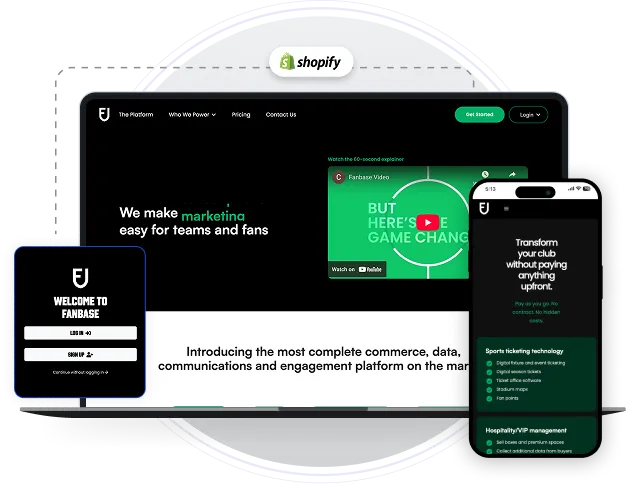
Fanbase is a UK-based SportsTech SaaS platform that helps sports clubs manage ticketing, merchandise sales, and fan engagement through a centralized hub. Their focus is on giving clubs a clear, unified view of fan activity and revenue across multiple digital touchpoints.

Fanbase Overview

Challenge

Fanbase needed a reliable way to surface merchandise orders from Shopify storefronts directly inside Fanbase HUB. Without automation, teams relied on manual exports, which slowed reporting and increased the risk of mismatched data across systems.

Manual Order Imports

Orders from Shopify were exported as CSV files and manually uploaded, consuming time and creating operational friction for teams.

Data Inconsistency Risk

Manual handling increased the chance of missing, duplicated, or mismatched order and customer records between Shopify and Fanbase HUB.

Fragmented Revenue View

Merchandise revenue lived outside Fanbase HUB, preventing a complete view of fan spend across tickets, memberships, and products.

Limited Scalability

The existing approach could not be reused easily across multiple clubs running their own Shopify storefronts.

Why They Chose Folio3

Integration Focus

Integration Focus

We demonstrated a clear plan for API-driven syncing aligned with Fanbase’s internal data model.

Shopify Experience

Shopify Experience

Our team had hands-on experience building custom Shopify apps using modern frameworks.

Data Reliability

Data Reliability

We addressed concerns around accuracy through structured mappings, validation, and error handling.

Reusable Design

Reusable Design

The solution was scoped to work across multiple clubs without rebuilding the integration each time.

The Solution We Delivered

Custom Shopify App Integration

Custom Shopify App Integration

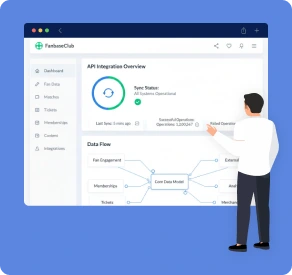
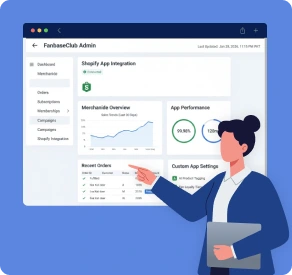
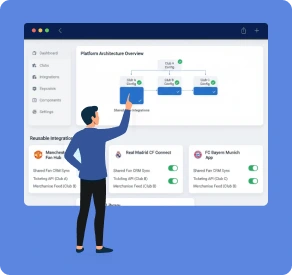
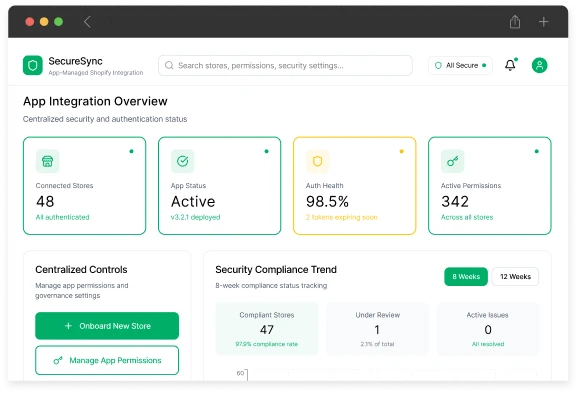
We built a dedicated Shopify app using Shopify Remix and ReactJS to connect external storefronts with Fanbase HUB. The app handled secure authentication, managed permissions, and created a controlled integration layer. This setup allowed Fanbase to connect multiple Shopify stores, oversee integrations centrally, and keep internal systems protected without exposing sensitive logic or requiring manual configuration from individual clubs during onboarding and ongoing operational use across varied club environments with consistent behavior and governance controls.

Webhook-Based Order Sync

Webhook-Based Order Sync

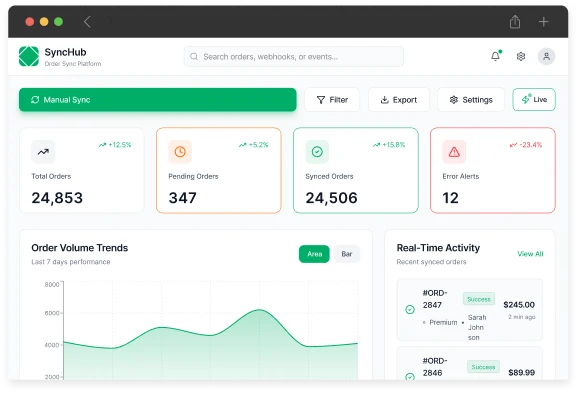
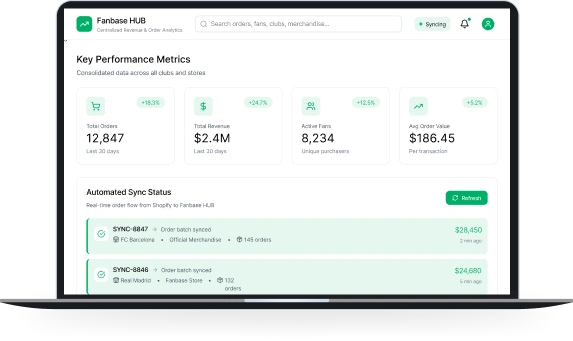
We implemented webhook-driven order syncing to remove delays and manual handling across connected Shopify storefronts. Each completed order triggered an automated push into Fanbase HUB, keeping records current without batch jobs. This approach ensured orders appeared quickly, stayed consistent during peak traffic, and continued syncing reliably even when sales volumes increased across multiple clubs while reducing operational overhead for internal teams and eliminating dependency on scheduled background processes that previously caused delays and inconsistencies.

Structured Data Mapping

Structured Data Mapping

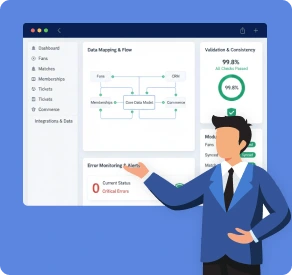
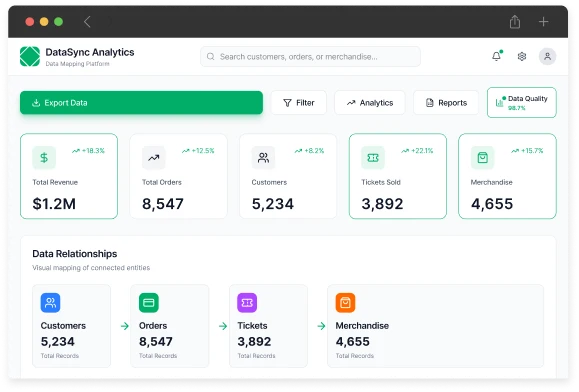
We mapped order line items, customer records, totals, and metadata directly into Fanbase HUB’s data model. Each field is aligned with existing fan profiles and reporting logic inside the platform. This structure ensured merchandise purchases appeared alongside tickets and memberships, preserving accurate relationships, clean aggregation, and dependable reporting across revenue, orders, and fan histories for analytics, exports, and long-term decision-making used by clubs and internal Fanbase teams without additional reconciliation work or manual checks.

Error Handling and Logging

Error Handling and Logging

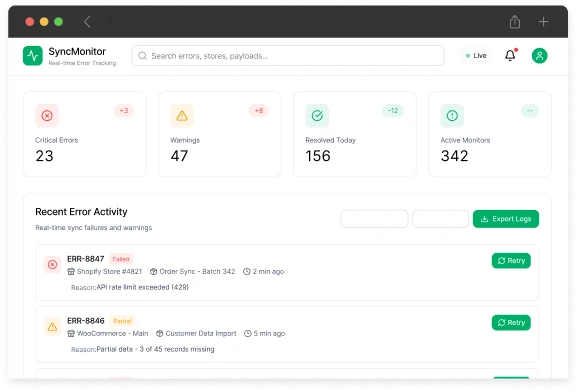
We added structured logging and error handling to capture failed or partial syncs during order processing. Each issue was recorded with clear context, including store, payload, and failure reason. This gave the Fanbase team visibility into problems quickly, reduced investigation time, and prevented silent data gaps across connected Shopify stores without relying on manual monitoring or customer-reported issues during day to day operations and peak sales periods for better platform reliability and trust levels.

Configurable Integration Pattern

Configurable Integration Pattern

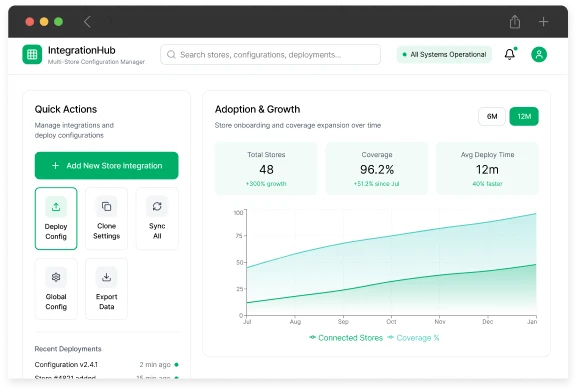
We designed the integration as a configurable, reusable pattern instead of a one-off build. New Shopify stores can be connected through configuration rather than custom development work. This allows Fanbase to roll the integration out to multiple clubs, maintain consistent behavior, and reduce long term maintenance effort as adoption grows without increasing technical debt or duplicating integration logic across deployments, environments, and future product expansions requested by partner clubs over time at scale globally.

Results: Centralized Order and Revenue Data

Centralized Order and Revenue Data
.