Managing inventory across both physical stores and online channels creates complex operational challenges for modern retailers. The Lightspeed Shopify integration bridges this gap by connecting your point-of-sale system with your e-commerce platform, creating a unified system that keeps everything synchronized in real-time.
This comprehensive guide explores how retailers can leverage Lightspeed integration with Shopify to streamline operations, eliminate manual data entry, and provide customers with a seamless omnichannel experience. Whether you’re running a single boutique or managing multiple locations, understanding how to properly implement this integration can transform your business operations.
Summary
This guide covers everything retailers need to know about implementing a successful lightspeed pos Shopify integration:
- Step-by-step setup process for connecting Lightspeed POS with your Shopify store
- Real-time inventory synchronization strategies to prevent overselling and stockouts
- Advanced features including customer data management, order processing automation, and multi-location syncing
- Cost analysis comparing different integration methods and subscription tiers
- Troubleshooting common integration challenges and optimization techniques
- Comparison of native apps versus third-party integration platforms
- Best practices for managing product catalogs across both systems
What Is Lightspeed Shopify Integration?
The Shopify Lightspeed integration creates a bidirectional connection between your Lightspeed Retail POS system and your Shopify online store. This integration automatically synchronizes critical business data, including inventory levels, product information, customer records, and sales transactions across both platforms.
When a customer purchases an item in your physical store, the integration instantly updates your online inventory. Similarly, when someone buys a product from your Shopify store, that transaction flows directly into Lightspeed. This eliminates the need for manual data entry and ensures your business operates from a single source of truth.
The integration supports various retail operations, including real-time stock management, centralized product catalog control, unified customer profiles, and synchronized pricing across all channels. For retailers selling through both physical and digital storefronts, this connectivity becomes essential for maintaining accurate inventory and providing consistent customer experiences.
Why Retailers Choose Lightspeed and Shopify Integration
Combining Lightspeed’s powerful POS capabilities with Shopify’s e-commerce platform creates significant advantages for omnichannel retailers. Here’s why this pairing has become increasingly popular among growing businesses.
Unified Omnichannel Operations
The Lightspeed and Shopify integration eliminates the friction of managing separate systems for in-store and online sales. Retailers gain complete visibility into their entire operation through centralized dashboards that display real-time data from all sales channels. This unified approach reduces operational complexity and helps teams make better inventory decisions.
Multi-location retailers particularly benefit from this integration’s ability to manage inventory across multiple stores and warehouses. You can choose which physical locations contribute to your online inventory pool, preventing situations where online orders deplete stock needed for in-store customers.
Superior Inventory Management
Lightspeed’s advanced inventory management system provides capabilities that extend far beyond basic stock tracking. The platform supports matrix item management for products with multiple variants, like size and color combinations, making it ideal for fashion and apparel retailers.
The integration enables automatic inventory updates every few minutes, ensuring your Shopify store never displays inaccurate stock levels. When integrated correctly, the system can automatically trigger reorder alerts when inventory falls below predetermined thresholds, helping you maintain optimal stock levels without constant manual monitoring.
Purchase order management through Lightspeed syncs seamlessly with your online catalog. When new inventory arrives at your physical location, those items automatically become available for online purchase based on your configured settings.
Enhanced Customer Experience
Modern shoppers expect flexibility in how they browse, purchase, and receive products. The lightspeed integration with Shopify enables popular omnichannel features that meet these expectations.
Buy Online, Pick Up In Store (BOPIS) functionality allows customers to shop your Shopify store and collect purchases at their most convenient location. This drives foot traffic to your physical stores while providing the convenience that online shoppers demand.
Customer profiles synchronize across both platforms, creating a unified view of each shopper’s purchase history regardless of where they buy. This enables personalized marketing campaigns based on complete customer behavior rather than fragmented channel-specific data.
How to Set Up Lightspeed Integration With Shopify: Step-by-Step Process
Setting up your lightspeed pos Shopify integration requires careful planning and systematic execution. Follow this detailed process to ensure successful implementation.
Step 1: Prepare Your Lightspeed Account
Before connecting to Shopify, ensure your Lightspeed Retail account is configured correctly with clean, accurate data. Review your existing product catalog and verify that all items have correct SKUs, pricing, and inventory counts. This foundation prevents data conflicts during the initial synchronization.
Configure your Lightspeed stores and registers according to your business structure. If you operate multiple locations, set up each store in Lightspeed with appropriate inventory tracking. Determine which physical locations will contribute inventory to your online store, as this affects how the integration manages stock allocation.
Create a clear product taxonomy with consistent naming conventions and category structures. Well-organized data in Lightspeed translates to better product presentation in your Shopify store. Set up vendor information, cost pricing, and other product attributes that inform your business intelligence.
Step 2: Install the Integration App

Navigate to the Shopify App Store and search for Lightspeed Retail integration solutions. Several options exist, including Lightspeed’s official integration app and third-party platforms like SKU IQ or 24SevenCommerce’s Octopus Bridge.
For the official Lightspeed app, click “Add app” and authorize the connection to your Shopify store. You’ll need admin credentials for both your Lightspeed and Shopify accounts. The app requests specific permissions to read and write data across both platforms, which is necessary for synchronization to function correctly.
Third-party integration platforms often provide more advanced features than native apps, including support for additional sales channels, enhanced reporting capabilities, and more granular control over synchronization rules. Evaluate your specific needs when choosing between native and third-party solutions.
Step 3: Configure Synchronization Settings

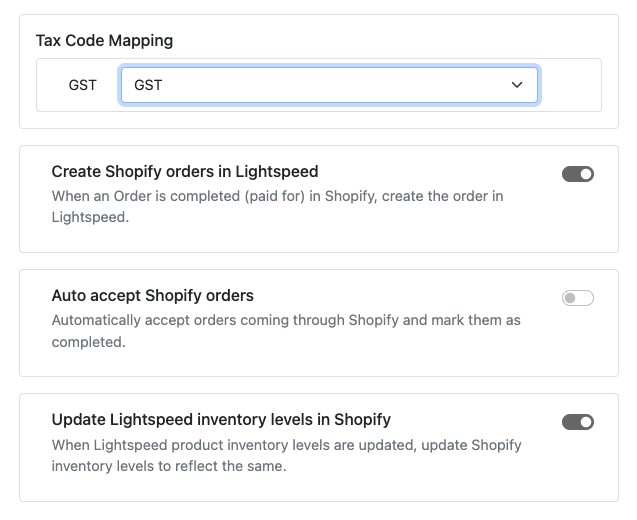
Once installed, configure exactly how data flows between your systems. This step critically impacts how your integration performs and requires careful attention to detail.
- Inventory Sync Configuration: Determine your inventory pooling strategy. You can sync all locations’ inventory to Shopify, creating a larger available stock, or limit online inventory to specific warehouses or stores. Consider implementing safety stock buffers that reserve a portion of inventory for walk-in customers.
- Product Data Mapping: Configure which product attributes sync from Lightspeed to Shopify. Map product categories, vendor information, SKUs, barcodes, and custom fields according to your business needs. Ensure variant structures match between systems, particularly important for products with multiple sizes or color options.
- Customer Data Handling: Set preferences for how customer information syncs. Decide whether to create new customer records in Lightspeed for every Shopify order or only when customers create accounts. Configure email preferences to prevent duplicate marketing communications.
- Order Processing Rules: Establish how Shopify orders flow into Lightspeed. Configure default sales registers, payment methods, and whether orders should sync as completed sales or pending fulfillment. Set up fulfillment location logic for multi-location operations.
Step 4: Execute Initial Catalog Migration
Transfer your existing product catalog from Lightspeed to Shopify through the integration platform. Most solutions offer bulk import tools that push your entire catalog to Shopify in one operation.
Review products after the initial migration to ensure data is translated correctly. Check product descriptions, images, pricing, and variant configurations. Make any necessary adjustments in Lightspeed, which should automatically sync changes to Shopify based on your configured update frequency.
For extensive catalogs, consider migrating products in batches organized by category or vendor. This allows you to verify data quality incrementally rather than troubleshooting thousands of products at once.
Read Also Redbubble Shopify Integration
Step 5: Test the Integration Thoroughly
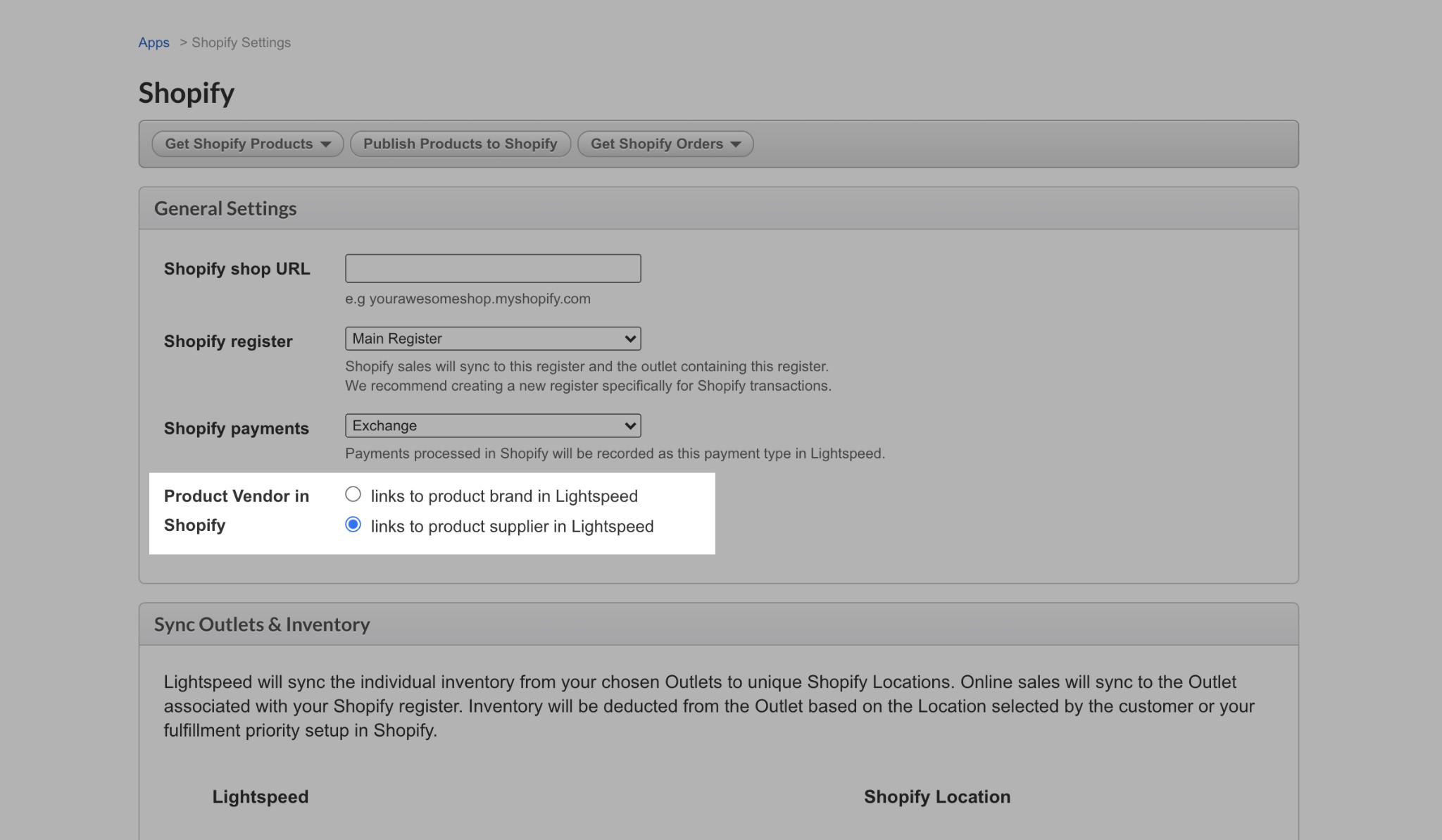
Before going live, conduct comprehensive testing to verify that all aspects of the integration work correctly. Create test orders in Shopify and confirm they appear in Lightspeed with accurate customer information, correct pricing, and proper inventory deductions.
Test inventory synchronization by adjusting quantities in Lightspeed and verifying updates appear in Shopify within the expected timeframe. Make test purchases for items with low inventory to ensure the system prevents overselling when stock runs out.
If you’re implementing BOPIS or ship-from-store functionality, test these workflows end-to-end. Verify that customers can select pickup locations, that store staff receive proper notifications, and that inventory reserves correctly during the fulfillment process.
Step 6: Train Your Team
Your integration only succeeds if your team understands how to use it effectively. Conduct training sessions for both store staff and those managing your online operations.
Teach store employees how their in-store sales affect online inventory and why accurate transaction processing matters. Ensure they understand how to handle scenarios like returns, exchanges, and special orders within the integrated system.
Train your e-commerce team on managing products through Lightspeed rather than directly in Shopify. Explain how changes flow between systems and the importance of making updates in the correct platform to prevent data conflicts.
Advanced Features and Capabilities
Beyond basic inventory synchronization, the Lightspeed integration enables sophisticated retail operations that help businesses scale efficiently.
Multi-Location Management
Retailers operating multiple physical stores gain powerful capabilities through the integration of multi-location features. You can manage inventory separately for each location while presenting a unified online storefront that draws from your entire network.
The system supports complex inventory allocation rules. For example, allow your flagship location to contribute 100% of its inventory online while limiting satellite stores to 75% availability, reserving stock for walk-in traffic at smaller locations.
Ship-from-store functionality enables individual locations to fulfill online orders, optimizing shipping costs and delivery times. When an online order comes in, the system can automatically route it to the area closest to the customer that has the items in stock.
Customer Relationship Management
The integration creates comprehensive customer profiles by combining purchase data from all channels. See every transaction a customer has made, whether in-store or online, creating opportunities for more sophisticated marketing and service.
Loyalty program integration allows customers to earn and redeem points across both channels. Shoppers can accumulate rewards from in-store purchases and use them online, or vice versa, creating a truly unified experience.
Customer communication becomes more effective when informed by complete purchase histories. Use Lightspeed’s customer management tools combined with Shopify’s marketing automation to create targeted campaigns based on actual buying behavior across all touchpoints.
Read more: Zendesk Shopify Integration – Step by Step Guide
Advanced Reporting and Analytics
Gain unified business intelligence by analyzing data from both channels together. View total sales performance across your entire operation, identify your best-selling products across channels, and understand how different customer segments shop in-store versus online.
Lightspeed’s reporting capabilities extend beyond what Shopify offers natively.
Track metrics like:
- Inventory turnover rates
- Supplier performance
- Margin analysis
- Sell-through rates
When combined with Shopify’s e-commerce analytics, you develop a complete picture of business health.
Use integrated reporting to make smarter purchasing decisions. Identify products that sell better online versus in-store, allowing you to optimize inventory placement and allocation strategies. Track which products frequently sell out online, indicating opportunities to increase stock levels.
Integration Methods: Comparing Your Options
Several approaches exist for connecting Lightspeed with Shopify, each with distinct advantages and limitations.
Native Lightspeed App
Lightspeed’s official Shopify app provides basic integration functionality suitable for smaller retailers with straightforward needs. The app handles essential synchronization of products, inventory, and orders between both systems.
This option offers the advantage of direct support from Lightspeed, ensuring compatibility with system updates. Setup tends to be simpler than alternatives, making it accessible for retailers without technical expertise.
However, the native app has limitations around customization and advanced features. Synchronization happens on fixed schedules rather than in true real-time, and you’ll find fewer options for complex inventory allocation rules or multi-channel expansion beyond Shopify.
Third-Party Integration Platforms
Solutions like SKU IQ, 24SevenCommerce’s Octopus Bridge, and API2Cart provide enhanced integration capabilities for retailers with more demanding requirements.
These platforms typically offer more frequent synchronization intervals, often updating inventory every few minutes rather than hourly. They provide advanced features like support for multiple sales channels beyond Shopify, custom field mapping, and sophisticated inventory allocation rules.
Third-party platforms generally charge monthly subscription fees based on factors like transaction volume, number of products, or active integrations. While more expensive than native apps, the enhanced functionality justifies the cost for retailers serious about omnichannel operations.
Custom API Integration
Large retailers or those with unique requirements might develop custom integrations using Lightspeed and Shopify’s APIs. This approach provides ultimate flexibility but requires significant development resources.
Custom integration allows complete control over data flow, synchronization logic, and user interfaces. Businesses can build specialized functionality tailored to their exact operational needs.
The substantial investment in development and ongoing maintenance makes this approach viable only for larger operations or those with in-house technical teams. Most retailers find sufficient functionality in existing integration solutions without custom development.
Cost Analysis: What to Expect
Understanding the total cost of implementing and maintaining your lightspeed pos shopify integration helps you budget appropriately and evaluate ROI.
Lightspeed Pricing
Lightspeed Retail offers several subscription tiers starting at approximately $89 per month for basic retail POS functionality. Mid-tier plans around $119 monthly add features like advanced reporting and loyalty programs. Enterprise plans with custom pricing serve larger operations requiring multiple registers and locations.
These subscription costs cover your POS system but don’t include payment processing fees, which typically range from 2.6% + 10¢ per transaction when using Lightspeed Payments.
Shopify Pricing
Shopify’s plans range from $39 monthly for Basic Shopify to $399 monthly for Advanced Shopify. Most growing retailers find the $105 monthly Shopify plan provides adequate features, including professional reports, gift cards, and lower transaction fees.
Shopify Plus serves enterprise merchants with custom pricing starting around $2,000 monthly, offering advanced features like dedicated support, customizable checkout, and better API access.
Integration App Costs
The official Lightspeed Shopify integration app typically ranges from $89 to $199 monthly, depending on transaction volume and feature requirements. Third-party platforms vary widely in pricing.
SKU IQ charges based on order volume, starting around $299 monthly for up to 500 monthly orders. Octopus Bridge from 24SevenCommerce uses similar volume-based pricing structures. These platforms often include support for multiple sales channels in their pricing.
Total Cost Calculation
A typical small to medium retail operation should budget approximately $350-500 monthly for a basic integrated setup, including Lightspeed, Shopify, and integration app subscriptions. Larger operations with multiple locations or high transaction volumes might invest $1,000-2,000 monthly or more.
Compare these recurring costs against the savings from reduced manual data entry, fewer inventory errors, and improved customer satisfaction. Most retailers find the investment pays for itself through operational efficiencies within the first few months.
Common Challenges and Solutions
Even well-implemented integrations encounter occasional issues. Understanding common problems helps you resolve them quickly.
Inventory Synchronization Delays
Challenge: Inventory updates don’t appear immediately in Shopify after in-store sales, creating a risk of overselling.
Solution: Most integrations sync on schedules rather than in true real-time. Verify your sync frequency settings and consider upgrading to platforms offering more frequent updates if delays cause issues. Implement safety stock buffers that reserve inventory for in-store customers, preventing complete depletion of online stock.
Product Data Mismatches
Challenge: Products appear differently in Shopify than they are configured in Lightspeed, with incorrect prices, missing images, or wrong variant structures.
Solution: Ensure product data in Lightspeed is clean and complete before initial migration. Use consistent SKU schemes and verify variant structures match requirements for both systems. When making product updates, always modify data in Lightspeed and allow changes to sync rather than editing directly in Shopify.
Order Processing Errors
Challenge: Shopify orders don’t appear in Lightspeed or sync with incorrect information.
Solution: Review order processing settings in your integration app. Verify that customer information is mapping correctly and that default register and payment settings are configured appropriately. Check that your Lightspeed account has adequate API rate limits to handle order volume, especially during peak sales periods.
Customer Data Conflicts
Challenge: Duplicate customer records or inconsistent information across systems.
Solution: Configure customer matching rules carefully in your integration settings. Use email addresses as the primary customer identifier rather than names, which can vary in formatting. Establish clear protocols for how staff create customer records in Lightspeed to ensure consistency with online profiles.
Best Practices for Long-Term Success
Maintaining an effective integration requires ongoing attention and optimization.
Establish Clear Data Governance
Designate which system serves as the source of truth for different data types. Typically, Lightspeed should be the master for product information, pricing, and inventory, while Shopify handles website-specific content like SEO metadata and marketing copy.
Create documented procedures for everyday tasks like adding new products, adjusting pricing, and running promotions. Ensure all team members understand where to make changes so updates flow correctly through the integrated system.
Regular Data Audits
Schedule monthly reviews of synchronized data to catch and correct discrepancies before they cause customer-facing issues. Compare inventory levels between systems, verify pricing accuracy, and check that product information remains consistent.
Use Lightspeed’s reporting tools to identify products with unexpected inventory movements or pricing changes. Investigate anomalies promptly to prevent minor issues from compounding.
Stay Current With Updates
Both Lightspeed and Shopify regularly release updates and new features. Monitor release notes for changes that might affect your integration, and test updates in staging environments when possible before rolling them to production.
Keep your integration app updated to the latest version. Developers regularly fix bugs and enhance functionality in new releases. Outdated app versions can cause compatibility issues or result in missing essential features.
Leverage Integration Analytics
Use reporting features in your integration platform to monitor synchronization health.
Track metrics like sync success rates, inventory accuracy, and order processing speed. Declining performance in these areas often indicates underlying issues requiring attention.
Maximizing ROI From Your Integration
Strategic use of your Lightspeed Shopify integration creates competitive advantages beyond operational efficiency.
Enable Buy Online, Pick Up In Store
BOPIS functionality drives incremental revenue while reducing shipping costs. Shoppers who pick up orders in-store frequently make additional impulse purchases, increasing average transaction values.
Configure your integration to support BOPIS by designating pickup locations and setting up appropriate inventory allocation. Train store staff on fulfillment procedures to ensure smooth customer experiences. For strategies on managing complex inventory workflows, explore Shopify ERP integration approaches.
Implement Dynamic Inventory Allocation
Rather than statically pooling all inventory online, implement rules that adjust online availability based on factors like day of week, season, or location performance. Reserve more inventory for in-store sales during peak foot traffic periods while expanding online availability during slower times.
This dynamic approach maximizes sales across all channels without depleting stock needed for walk-in customers. Monitor results and refine allocation rules based on actual sales patterns.
Unified Promotions and Marketing
Run coordinated marketing campaigns that work seamlessly across both channels. Use Lightspeed’s customer data combined with Shopify’s marketing tools to create segments based on complete purchase histories rather than channel-specific behavior.
Offer promotions that customers can redeem anywhere, whether they shop online or visit your physical store. This flexibility enhances customer satisfaction and strengthens brand loyalty. Learn more about creating comprehensive promotional strategies through Shopify migration services that help unify your marketing efforts.
Key Takeaways
Successfully implementing a Lightspeed Shopify integration transforms how multi-channel retailers operate by creating a unified system that keeps inventory, customer data, and sales transactions synchronized across physical and online stores. The investment in proper setup and ongoing management pays dividends through reduced operational costs, fewer inventory errors, and enhanced customer experiences.
Start by choosing the integration method that matches your business scale and technical requirements—native apps work for simpler operations while third-party platforms serve retailers needing advanced features. Invest time in proper initial configuration, clean data migration, and comprehensive team training to establish a strong foundation.
Monitor integration performance regularly, optimize synchronization settings based on actual usage patterns, and leverage advanced features like BOPIS and dynamic inventory allocation to maximize ROI. With the right approach, your integrated system becomes a competitive advantage that enables profitable growth across all sales channels.
Conclusion: Transform Your Retail Operations With Lightspeed Shopify Integration
The Lightspeed Shopify integration represents more than just a technical connection between systems—it’s a strategic investment that enables retailers to compete effectively in today’s omnichannel marketplace. By eliminating data silos and creating unified operations, businesses provide the seamless experiences modern customers expect while gaining the operational efficiency needed for sustainable growth.
Retailers who successfully implement this integration report significant improvements in inventory accuracy, reduced labor costs from eliminated manual data entry, and increased sales through enhanced customer experiences. The ability to offer conveniences like BOPIS, view unified customer histories, and maintain accurate real-time inventory across all channels creates tangible competitive advantages.
Whether you’re just beginning to explore omnichannel retail or looking to optimize existing operations, a properly configured Lightspeed integration with Shopify provides the foundation for scalable, profitable growth. Take the time to plan your implementation carefully, choose integration tools that match your needs, and invest in training your team for long-term success.
Ready to transform your retail operations? Contact our Shopify experts to discuss how we can help you implement a seamless Lightspeed Shopify integration tailored to your business needs. Our team specializes in custom Shopify app development and integration solutions that drive real business results.
Frequently Asked Questions
Does Lightspeed POS Fully Integrate With Shopify?
Yes, Lightspeed Retail offers comprehensive integration with Shopify that synchronizes product catalogs, inventory levels, customer data, and sales transactions between both platforms. The integration supports both native apps and third-party platforms, providing real-time or near-real-time data synchronization. Retailers can manage their entire operation from Lightspeed while maintaining a professional online storefront through Shopify.
How Much Does Lightspeed Integration With Shopify Cost?
The total cost typically ranges from $350-500 monthly for small to medium retailers, including Lightspeed subscription (starting at $89/month), Shopify subscription (starting at $39/month), and integration app fees ($89-199/month). Larger operations with multiple locations or high transaction volumes may invest $1,000-2,000 monthly or more depending on their specific requirements and chosen service tiers.
Can I Sync Multiple Lightspeed Locations With One Shopify Store?
Yes, the lightspeed integration supports multi-location operations, allowing you to sync inventory from multiple physical stores and warehouses to a single Shopify storefront. You can configure which locations contribute to online inventory and set allocation rules that determine how stock is displayed and reserved across channels. This enables sophisticated ship-from-store and BOPIS functionality.
What Data Syncs Between Lightspeed and Shopify?
The integration synchronizes product information including names, descriptions, SKUs, prices, and variants; inventory quantities and locations; customer profiles and purchase histories; sales orders and transaction details; and payment information. Most solutions sync this data every few minutes to every hour, though frequency varies by platform and plan.
How Do I Handle Returns and Exchanges With the Integration?
Process returns and exchanges in the system where the original purchase occurred. For Shopify orders, handle the return through Shopify, which will sync back to Lightspeed and adjust inventory accordingly. For in-store purchases, process the return in Lightspeed as normal. The integration automatically updates inventory levels and customer records across both systems to reflect the transaction.
Can I Use Lightspeed With Shopify POS?
While technically possible, using both Lightspeed Retail and Shopify POS simultaneously creates redundancy and potential conflicts. Most retailers choose one primary POS system—either Lightspeed or Shopify POS—and integrate it with their online Shopify store. Lightspeed offers more advanced retail-specific features, making it the preferred choice for established physical retailers.
What Happens If the Integration Goes Down?
If synchronization temporarily fails, both systems continue functioning independently. Sales process normally in each channel, but data won’t sync until the connection restores. Most integration platforms include monitoring and automatic retry logic that resolves temporary issues without intervention. When connection restores, queued transactions sync to update both systems with changes that occurred during the outage.
Is the Integration Suitable for Dropshipping?
The lightspeed pos Shopify integration primarily serves retailers with physical inventory, though it can accommodate some dropshipping workflows. Configure inventory separately for dropshipped items and use Shopify’s fulfillment features for those products while managing owned inventory through Lightspeed. Third-party platforms offer better support for hybrid inventory models combining stocked products with dropshipped items.