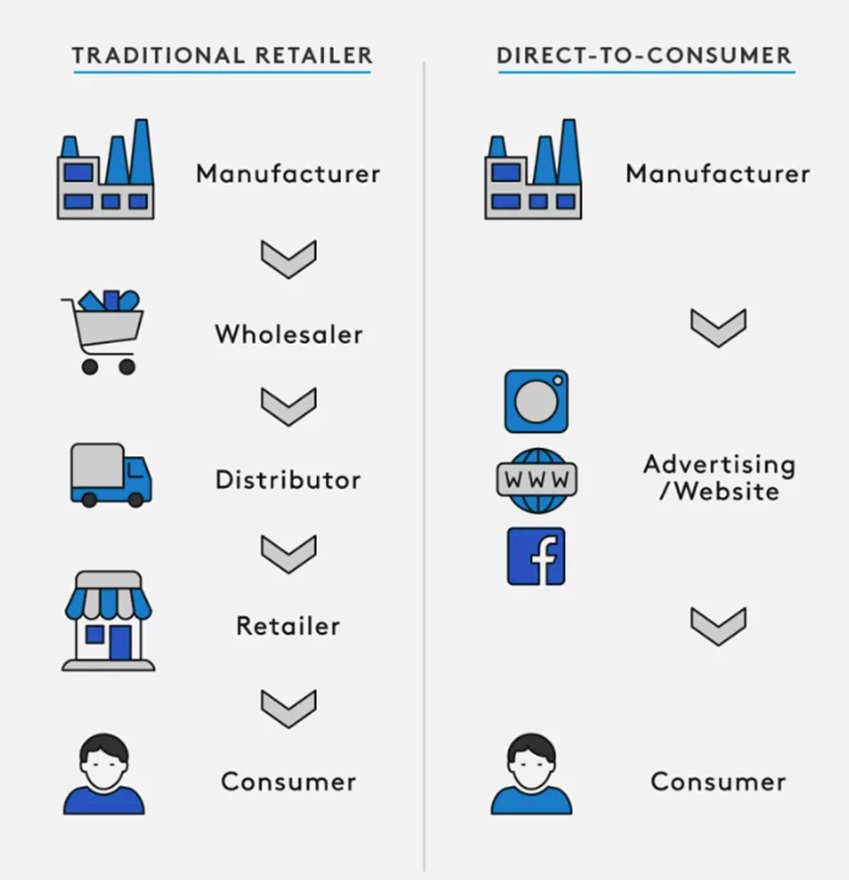
Direct to consumer e-commerce or DTC model is a business where companies produce, market, and distribute their products directly to consumers, bypassing traditional retail channels. In this model, the company owns the entire supply chain from manufacturing to sales, allowing them greater control over pricing, marketing, and customer experience. DTC model brands typically leverage e-commerce platforms, social media, and digital marketing channels to reach their target audience directly.
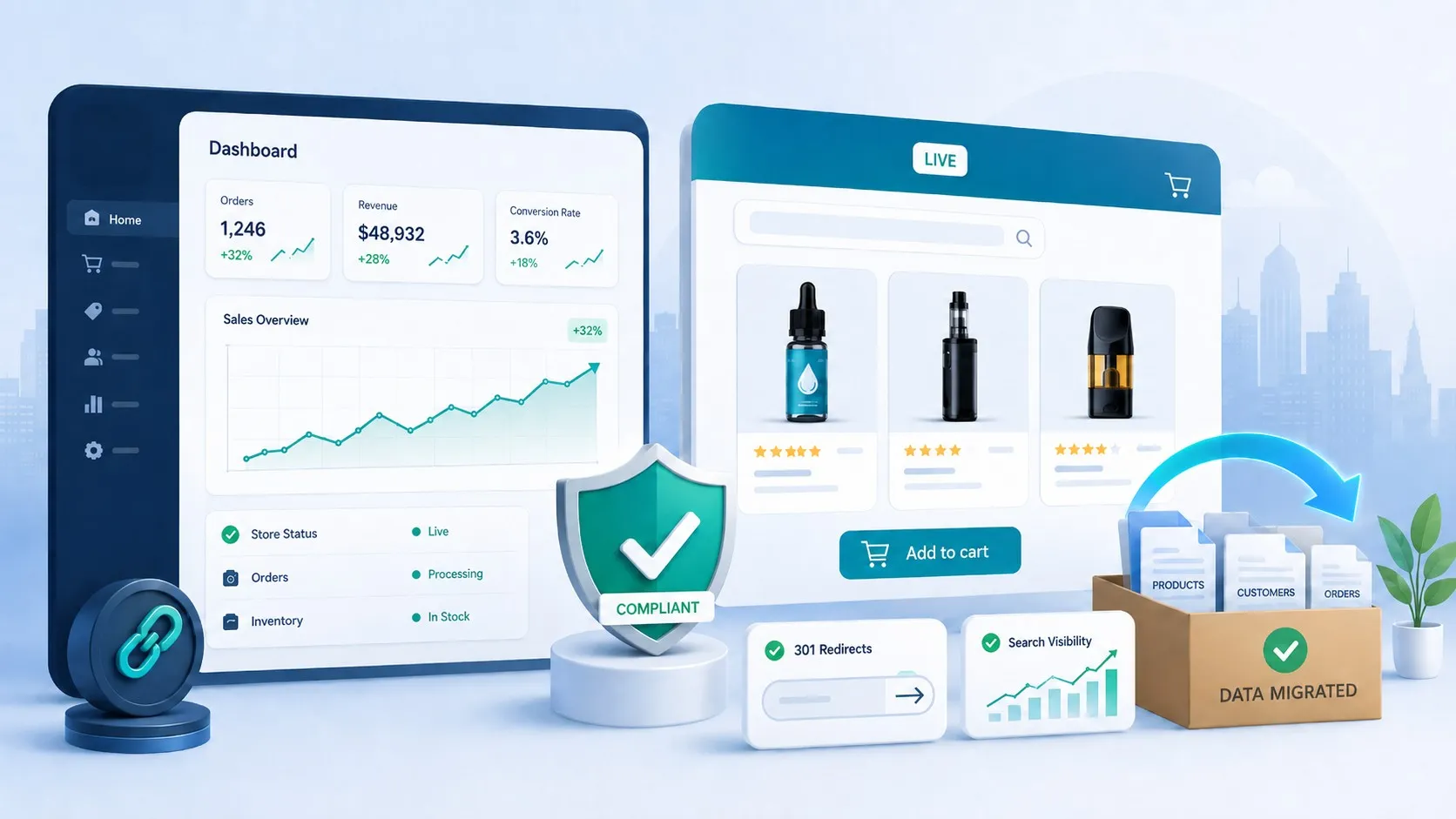
Managing a D2C enterprise e-commerce
Managing an enterprise ecommerce direct to consumer store isn’t a layman’s task.
With evolving consumer behaviors, market dynamics, technological advancements, and shifting business paradigms, the landscape is undergoing unprecedented change. Adapting your store to captivate customers and drive sales demands perpetual reassessment and adaptation.
In today’s dynamic digital landscape, having advanced features on your website is crucial for keeping pace with rapid changes. Before delving into the prevalent challenges encountered by Direct-to-Consumer (D2C) enterprises over the past five years, it’s essential to emphasize the significance of timely updates in such a dynamic environment.
– Challenges in Efficient Inventory Management and Order Fulfillment: This encompasses difficulties in effectively handling inventory and fulfilling orders, spanning from packing and picking to shipping and tracking.
– Suboptimal Logistics and Order Fulfillment Procedures: This results in costly and delayed shipping, ultimately compromising customer satisfaction due to poor delivery experiences.
– Failure to Meet D2C Customer Expectations: D2C enterprises struggle to meet customer demands for low shipping rates, speedy and complimentary delivery, as well as attractive offers and discounts.
– Overwhelmed by Customer Queries: Businesses find it challenging to cope with the high volume of customer inquiries regarding orders, products, payments, returns, and more.
– Limited Personalization in Marketing Efforts: D2C companies face limitations in personalizing marketing promotions across various channels such as app notifications, emails, SMS, and advertisements, thereby hindering effective engagement with their target audience.

Bigcommerce Perspective for Direct to Consumer
BigCommerce is a leading e-commerce platform that empowers businesses to create, customize, and scale their online stores with ease. With its robust features and user-friendly interface, BigCommerce provides the ideal foundation for DTC model brands to thrive.
Read Also: BigCommerce Headless – Exploring Why It’s Required for eCommerce Businesses
The BigCommerce Advantage
BigCommerce is a leading ecommerce direct to consumer platform that empowers businesses to create, customize, and scale their online stores with ease. With its robust features and user-friendly interface, BigCommerce provides the ideal foundation for DTC model brands to thrive.
Seamless Integration
One of the key advantages of BigCommerce is its seamless integration with various tools and services essential for DTC model businesses. Whether it’s customer relationship management (CRM) software, email marketing platforms, or analytics tools, BigCommerce offers effortless integration, enabling brands to streamline their operations and enhance the customer experience.
Flexible Customization
Every DTC model brand has its own unique identity and vision. With BigCommerce, brands have the flexibility to customize their online stores according to their specific requirements and branding guidelines. From design templates to advanced customization options, BigCommerce empowers brands to create a compelling online presence that resonates with their target audience.
Scalability
As DTC model brands grow and expand their reach, scalability becomes crucial. BigCommerce is designed to grow with businesses, offering scalability and performance optimization features that ensure a seamless shopping experience even during peak traffic periods. Whether it’s handling increased order volumes or expanding into new markets, BigCommerce provides the infrastructure to support DTC model brands every step of the way.
Leveraging DTC Strategies in BigCommerce
Now that we’ve explored the advantages of DTC in BigCommerce, let’s discuss some effective strategies for DTC brands to maximize their impact:
Personalized Shopping Experience
One of the hallmarks of DTC marketing is its emphasis on personalization. BigCommerce offers a range of features, such as customer segmentation and personalized product recommendations, that enable brands to deliver tailored shopping experiences to their customers. By understanding their preferences and behavior, brands can build stronger connections and drive repeat purchases.
Content Marketing and Storytelling
DTC brands often rely on compelling storytelling to engage customers and differentiate themselves from competitors. With BigCommerce’s built-in blogging functionality and content management tools, brands can create and share captivating content that resonates with their target audience. Whether it’s behind-the-scenes stories, product tutorials, or user-generated content, content marketing can help DTC brands foster deeper connections with their customers.
Social Commerce Integration
Social media has become a powerful channel for DTC brands to reach and engage with consumers. BigCommerce offers seamless integration with popular social media platforms, allowing brands to sell directly through social channels. By leveraging features like shoppable posts and integrated checkout, DTC brands can turn social media followers into loyal customers, driving sales and brand advocacy.
Conclusion
In conclusion, Direct to Consumer ecommerce (DTC) marketing in BigCommerce is reshaping the retail landscape, offering brands unprecedented opportunities to connect with consumers on a deeper level. With its advanced features, seamless integration, and scalability, BigCommerce provides the ideal platform for DTC brands to thrive in today’s competitive ecommerce direct to consumer environment. By leveraging DTC strategies and harnessing the power of BigCommerce, brands can unlock new avenues for growth, innovation, and customer engagement.
Ready to take your D2C brand to the next level? Partner with Folio3 for expert BigCommerce development tailored to your business needs. From seamless integrations to scalable solutions, we help you build a direct-to-consumer store that drives growth and delivers exceptional customer experiences. Contact Folio3 today and let’s build your success together.